When the Weather Changes, Does Learning Have to Stop?
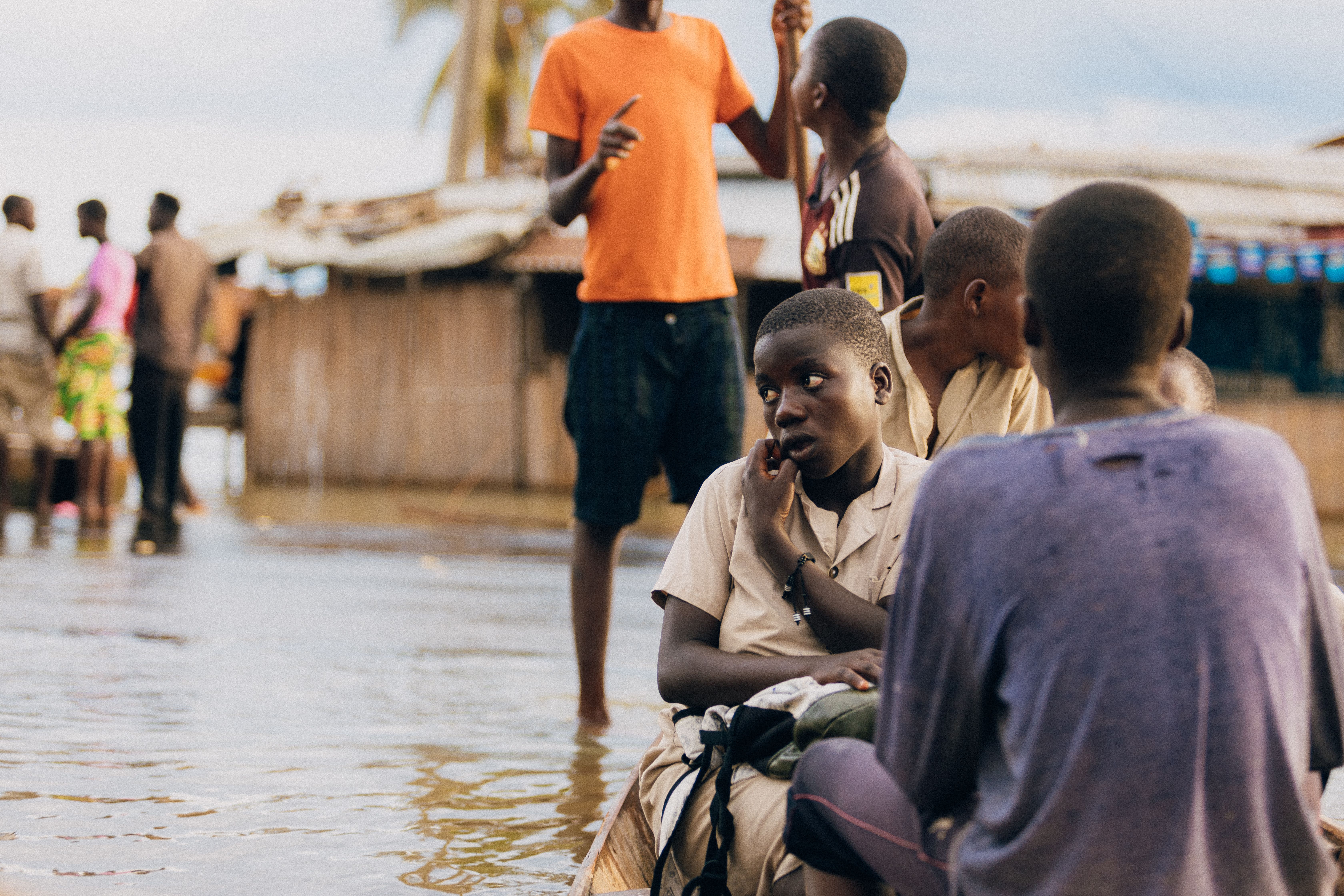
When heavy rains flood roads, classrooms become inaccessible, or extreme weather forces schools to close, children lose more than a day of lessons. They may fall behind, miss exams, or struggle to return to school.
In Kenya, climate-related disruptions are becoming an important challenge for education. UNICEF reported that more than two million learners experienced school disruptions during the heavy rains and floods between March and May 2024. This raises an important question: How can we protect children's education when the weather makes learning difficult?
When Climate Disrupts the Classroom
Floods can damage classrooms, destroy learning materials and make school routes unsafe. Droughts can also affect attendance when families face water shortages, food insecurity or financial difficulties. Extreme heat can make classrooms uncomfortable and affect learners' concentration.
These challenges do not affect every child equally. Learners in remote communities and families with limited resources may have fewer alternatives when schools close. For them, a temporary disruption can quickly become a longer learning gap.
Keeping Learning Going
School closures may sometimes be unavoidable, but learning does not always have to stop. Schools and communities can prepare practical alternatives, including take-home learning materials, flexible lesson schedules and community-based study sessions when conditions are safe.
Digital learning can also help, but it should not be the only solution. Not every household has reliable electricity, internet access or a suitable device. Preparedness plans must therefore reflect the realities of the communities they serve.
Schools can also strengthen resilience by protecting learning materials from water damage, identifying safer routes and developing emergency plans with parents and local leaders. Small preparations made before a crisis can make returning to learning easier.
Communities Are Part of the Solution
Education resilience is not the responsibility of schools alone. Parents, teachers, community organizations and local authorities can work together to identify risks and support learners when disruptions occur.
Community organizations can help families access learning resources, organize safe learning opportunities and raise awareness about environmental risks. They can also encourage young people to take part in local environmental initiatives, connecting climate awareness with practical community action.
How Learning for Tomorrow Foundation Can Contribute
Learning for Tomorrow Foundation can support communities by promoting flexible learning approaches, environmental awareness and collaboration between educators, families and young people. Through community-based education initiatives, the Foundation can help identify learning barriers during climate disruptions and explore practical ways to keep children engaged.
The goal is not simply to help learners catch up after a crisis. It is to build education systems and communities that are better prepared for the next disruption.
Climate change may make learning more difficult, but it should not determine which children get to learn. When the weather changes, a child's opportunity to learn should not disappear with it.