KSh 51.8 Billion from the World Bank: Will It Really Help the People?
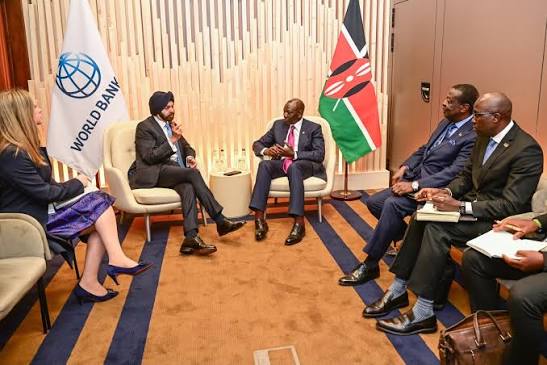
Kenya is expected to receive approximately KSh 51.8 billion (US$400 million) in emergency financing from the World Bank after seeking support through the lender’s Rapid Response Option. The financing is intended to help Kenya respond to risks linked to El Niño, a possible Ebola outbreak in the region and high energy prices. According to Reuters, the funds could become available within about six weeks.
But as Kenyans hear about billions of shillings coming into the country, one important question must be asked:
Will this money actually help the people?
The answer depends largely on how the financing is used.
Kenya continues to face serious challenges that directly affect ordinary citizens. Extreme weather can destroy crops, damage roads, displace families and increase food prices. High energy prices increase the cost of running businesses and households. At the same time, the threat of disease outbreaks creates pressure on an already stretched healthcare system.
For many Kenyans, these are not simply government statistics. They are daily realities.
The emergency financing therefore presents an opportunity for the government to protect communities from these immediate risks. A significant focus should be placed on agriculture and food security. Farmers affected by extreme weather need better early-warning systems, water management, climate-resilient farming and timely support when disasters occur.
Healthcare preparedness should also be strengthened. Kenya needs effective disease surveillance, well-equipped health facilities and adequate preparedness to respond quickly if an outbreak occurs. Investing before a health crisis becomes widespread can save lives and reduce the economic costs of an emergency.
The issue of energy also requires attention. Rising energy prices affect almost every sector of the economy. Businesses face higher operating costs, while households have less money available for food, education and other basic needs. Emergency financing should therefore contribute not only to short-term relief but also to strengthening Kenya’s long-term energy resilience.
However, receiving the money is only the beginning.
Accountability will determine whether Kenyans actually benefit.
Citizens should be able to know where the money is going, which programmes will receive it, which communities will benefit and what results are expected. There must also be strong monitoring to ensure that the financing is not lost through waste, corruption or poorly implemented projects.
Most importantly, Kenya should avoid using emergency financing only to respond to crises after they occur. The country needs to invest in long-term resilience. Flood-prone communities need better infrastructure. Farmers need climate-smart agricultural systems. Health institutions need stronger preparedness. Communities need reliable access to information before disasters happen.
Therefore, KSh 51.8 billion should not simply become another government financial figure.
Its success should be measured by whether families are protected, farmers can maintain their livelihoods, businesses can survive economic shocks, health systems can respond to emergencies and communities become more resilient.
The real question is not how much money Kenya receives.
The real question is: how many Kenyan lives will be better because of it?
That is the standard by which this emergency financing should ultimately be judged.