Learning Does Not End at the School Gate
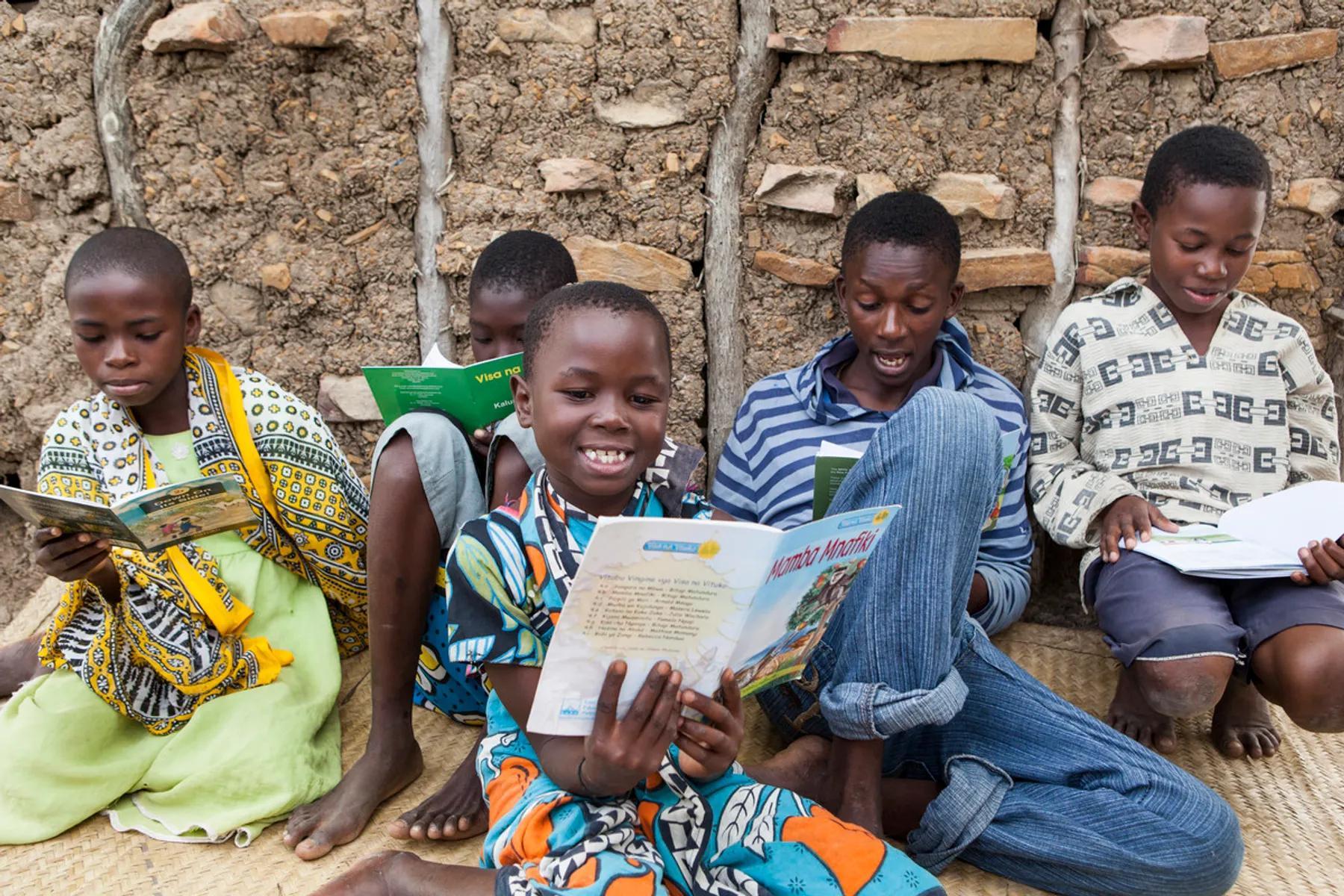
Education is often associated with classrooms, textbooks and examinations. Yet some of the most valuable learning experiences happen outside school, when children explore their surroundings, ask questions, work together and discover new interests.
For many learners, however, opportunities to learn beyond the classroom are limited. Some lack access to books, quiet study spaces or educational activities in their communities. Others have few opportunities to practice what they learn in school. Creating more accessible learning spaces can help bridge this gap and make education a shared community responsibility.
Creating Opportunities Beyond the Classroom
Learning does not always require expensive equipment or sophisticated technology. A community library can encourage children to read for pleasure. A youth center can provide space for group discussions, creative activities and peer learning. Local professionals can share practical knowledge, helping young people connect classroom lessons with everyday life.
These experiences can make learning more engaging. A child who struggles to understand a concept in a textbook might grasp it more easily through a demonstration, a group activity or a practical example. Working with others can also help learners develop communication, teamwork and problem-solving skills.
Community learning spaces can be especially valuable where families have limited resources. When books, learning materials and supportive adults are accessible within the community, children have more opportunities to explore their interests and strengthen their knowledge.
Communities Can Help Make Learning Possible
Building these opportunities does not mean replacing schools or transferring teachers' responsibilities to families. Instead, it means creating supportive environments that complement formal education.
Parents can encourage curiosity through everyday activities, such as cooking, gardening, storytelling and discussing local issues. Community organizations can arrange reading clubs, mentorship sessions and creative workshops. Schools can partner with libraries, local businesses and youth groups to give learners access to resources and experiences they might not otherwise encounter.
Young people should also have a voice in shaping these spaces. Asking learners what interests them can help communities create activities that are relevant, enjoyable and useful. A learning space is more likely to attract participation when children feel welcomed, respected and involved.
Making Lifelong Learning a Community Priority
For community learning initiatives to succeed, they need more than a room and a collection of books. They require consistent support, suitable materials, inclusive activities and people willing to guide learners. Children with disabilities and those facing other barriers should also be considered when designing programmes.
Learning for Tomorrow Foundation contributes by supporting community-based learning activities, encouraging partnerships between schools and local organizations, and promoting access to educational resources. Reading clubs, mentorship programmes and practical learning workshops could help children discover that education is not limited to lessons or examinations. When communities create space for learning, they help children see education not simply as something they attend, but as something they can practice throughout their lives.