UN General Assembly Walkouts!
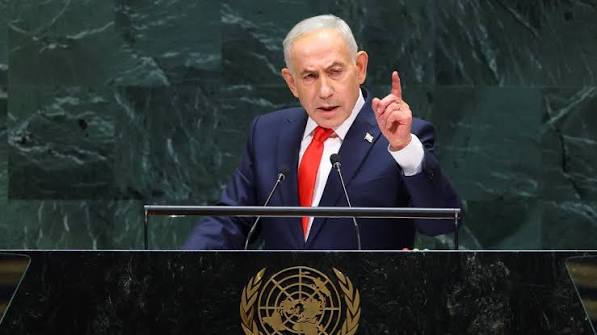
The 81st United Nations General Assembly in New York became a highly visible moment of international disagreement on 24 September 2026, when Israeli Prime Minister Benjamin Netanyahu addressed the General Assembly amid protests outside the United Nations and a large number of delegates leaving the chamber as he began his speech. Reuters reported that several hundred protesters gathered near the UN, while a stream of delegates walked out of the General Assembly hall.
During his address, Netanyahu defended Israel's military actions and presented his government's position on the conflicts affecting Israel and the wider Middle East. He also criticised those who had left the chamber. The walkouts, meanwhile, demonstrated that some delegations chose not to remain in the hall during the address. Outside the UN, demonstrations brought together different groups expressing opposition to Israel's actions and the continued conflict in Gaza.
The walkouts themselves also raise an important question about how disagreement is expressed in international affairs. Diplomacy is built around dialogue, negotiation and representation, but governments and delegations also use symbolic actions to communicate disagreement. Public demonstrations similarly provide citizens with a way to express their views and demand attention to issues they consider important. The events surrounding the UN General Assembly therefore demonstrate that participation in global affairs can take different forms, from formal diplomatic engagement to peaceful public protest.
For young people, understanding these events requires more than following headlines or adopting one side of a debate. It requires developing the ability to examine different perspectives, distinguish facts from claims, understand historical and political context, and engage respectfully with people who hold different views. These are important elements of civic education, critical thinking and responsible global citizenship.
The UN General Assembly also illustrates why young people need opportunities to engage with international issues. Decisions and conflicts discussed at international forums can influence humanitarian conditions, migration, education, economic opportunities, security and development far beyond the countries directly involved. Young people in Africa are therefore not merely observers of global affairs; they are part of a generation that will increasingly participate in shaping responses to international challenges.
At Learning for Tomorrow Foundation, moments such as this can serve as learning opportunities. Rather than focusing only on the controversy surrounding a particular leader or conflict, young people can use such events to explore questions about peaceful civic participation, international diplomacy, human rights, conflict resolution, media literacy and the responsibilities of global citizenship.
The UNGA walkouts ultimately demonstrate how strongly contested international issues can produce disagreement both inside diplomatic institutions and among the public outside them. For young people, the lesson is not simply to follow one position, but to develop the knowledge, critical-thinking skills and civic awareness necessary to understand complex global issues and participate constructively in conversations about the future of our world.